

The Book of Jonah was written tongue-in-cheek as the author intended there to be some humor in this book (see the introduction to the Book of Jonah in the New American Bible).
God’s Calling
read more

The Book of Jonah was written tongue-in-cheek as the author intended there to be some humor in this book (see the introduction to the Book of Jonah in the New American Bible).
We are, again, in Ordinary Time, and this week, we celebrate the 2nd Sunday in Ordinary Time. That may prompt some to ask: “What happened to the 1st Sunday?”
The Season of Advent is a season of preparation. It is preparation not only for the celebration of Christ’s first coming into the world at Christmas when we offer praise and thanksgiving to God for the love and mercy he has shown us by coming into the world in the person of Christ and, through His ministry, to show us how to live lives of virtue, that we might be co-heirs with Him in the kingdom of heaven.
The Book of Proverbs is a collection of ancient literature, the purpose of which is to impart wisdom, and the wisdom it purports to teach covers a wide range of subject matters, some purely secular (such as the ideal wife we read about in this week’s first reading) and some dealing with moral and religious truths.
Our reading from chapter 5 of Isaiah and our gospel from chapter 21 of Matthew is almost identical, using the image of a vineyard as the house of Israel.
This week, the message changes from Calling attention to sin and evil in our midst to reaching out in mercy to those who have offended us and will accept our forgiveness.
The Book of Daniel may appear to be prophetic in nature, but it is actually an example of a literary genre known as “Apocalyptic,” which was popular during the period from about 200 B.C. to 100 A.D. This was a time of stress and persecution for Jews and, later, for Christians.
Our first reading from 2nd Kings is an interesting story about the prophet Elisha and a Shunammite woman who showed him hospitality. On the surface, it would appear that the golden thread this week is hospitality, but it goes deeper than that.
The mystery of the Holy Trinity is the central mystery of our faith, but it is a mystery that is beyond human reason. We cannot understand the Trinity intellectually; we can only grasp the concept of one God in three persons through faith.
Once again, our first reading this week comes from St. Luke’s: “The Acts of the Apostles” rather than from the Old Testament, as is the case on most Sundays.

Praise be Jesus Christ, now and forever! Praise be His holy and venerable name. Praise He who was, is, and is to come. Praise Him; praise Him in the morning. Praise Him in the noontime; praise Him when the sun goes down. Thank You, O Lord, for all thy benefits. Thank...
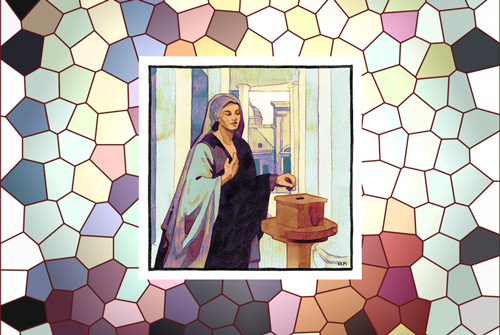
A Reflection on the Readings for the Thirty-second Sunday in Ordinary Time, November 10, 2024 Reading: 1 1 KGS 17:10-16 Responsorial Psalm: PS 146:7, 8-9, 9-10 Reading: 2 HEB 9:24-28 Alleluia: MT 5:3 Gospel: MK 12:38-44 Our first reading this week is from the 1st Book...
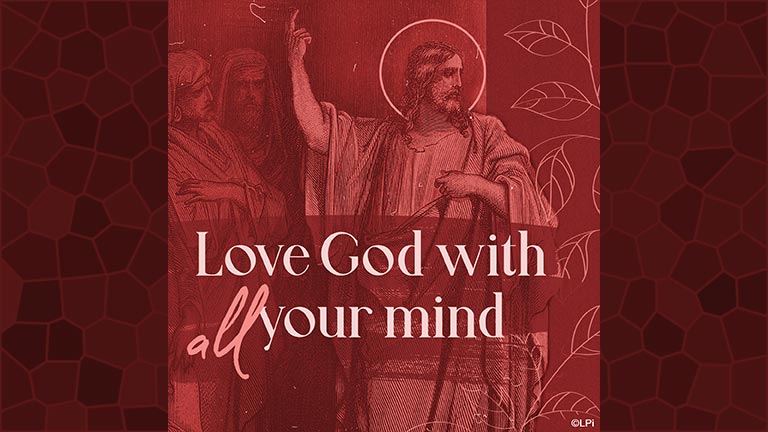
A Reflection on the Readings for the 31st Sunday in Ordinary Time, November 3, 2024 Our first reading is from the Book of Deuteronomy, the fifth and final book of the Pentateuch (the first five books of the Old Testament). Deuteronomy means “second law,” but the book...
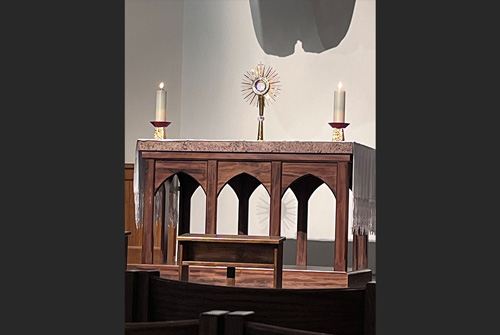
Praise God! Praise Him, who came down to us in the form of a babe. Praise Him, who suffered and died for us on the cross. Praise Him, who rose from the dead. Praise Him, who ascended into heaven and reigns as King of all kings! Thank You, Lord, for all that You have...
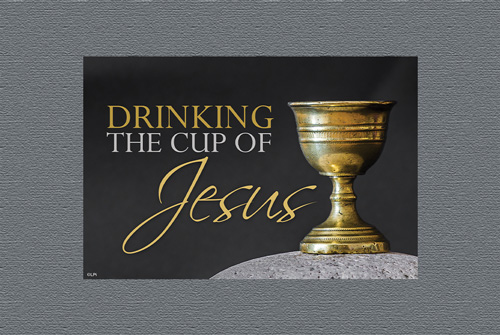
A Reflection on the Readings for the Twenty-ninth Sunday in Ordinary Time, October 20, 2024 Reading 1: Is 53:10-11 Responsorial Psalm: Ps 33:4-5, 18-19, 20, 22 Reading 2: Heb 4:14-16 Alleluia: Mk 10:45 Gospel: Mk 10:35-45 Our first reading this week is from chapter 53...

A Reflection on the Reading for the Twenty-eighth Sunday in Ordinary Time, October 13, 2024 Reading 1: Wis 7:7-11 Responsorial Psalm: Ps 90:12-13, 14-15, 16-17 Reading 2: Heb 4:12-13 Gospel: Mk 10:17-30 In our first reading from the Book of Wisdom, we see the value of...

Praise be Jesus Christ! Praise be His holy and powerful name! He is good; He is mighty. He is present to those who seek Him! He is God! Thank You, Lord, for all thy benefits! Thank You for drawing us to You. Thank You for Your presence in every aspect of our lives....
A Reflection on the Readings for the 24th Sunday in Ordinary Time, September 15, 2024 Reading 1: Is 50:5-9a Responsorial Psalm: Ps 116:1-2, 3-4, 5-6, 8-9 Reading 2: Jas 2:14-18 Gospel: Mk 8:27-35 The Book of the Prophet Isaiah covers approximately 250 years, so it is...
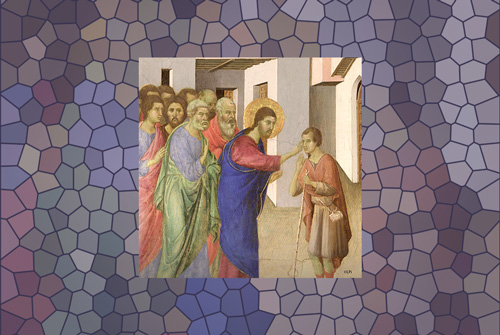
A Reflection on the Readings for the Twenty-third Sunday in Ordinary Time, September 8, 2024 Reading 1: Is 35:4 Responsorial Psalm: Ps 146:6-7, 8-9, 9-10 Reading 2: Jas 2:1-5 Gospel: Mk 7:31-37 Our first reading from chapter 35 of Isaiah comes from a critical time in...

One morning this month, I kissed hubby goodbye and told him that I would go back to bed because I was feeling very run down. Ha! I planned and God laughed. For this school year, I have been feeling God call me to put in the work to be available to others outside my...
Para el segundo año de preparación sacramental, los padres siguen siendo los primeros maestros de la fe (CCC n.º 2226). Este es un rol continuo tanto para los padres como para la vida de los estudiantes.
La preparación sacramental se llevará a cabo una vez al mes. Se pide a las familias que asistan semanalmente a la misa dominical, compartan el Evangelio en casa, participen en un retiro, recen el Rosario y que los padres asistan a una charla mensual con nuestro querido sacerdote.
Se ponen recursos a disposición de los padres, especialmente en lo relativo a la misa. Se pide a los estudiantes que traigan un misal para que lo firmen al finalizar la misa de su elección (sábado o domingo).
A continuación, se presentan las fechas de las charlas dirigidas a los padres. Los estudiantes asistirán a clases en un aula en la misma fecha y horario: de 6:30 p. m. a 8:00 p. m.
Se realizarán evaluaciones a los estudiantes; por favor, consulten las Pautas Sacramentales.
La preparación para la Primera Reconciliación y la Primera Comunión está abierta a todos los jóvenes bautizados - a partir del segundo grado escolar - que cumplan con los siguientes requisitos del programa:
El Párroco, el Coordinador de Preparación Sacramental y los padres determinarán conjuntamente la disposición del niño - tanto catequética como espiritual - para recibir los sacramentos.
For year 2, sacramental preparation, parents are still the first teachers of faith CCC#2226. This is an ongoing role for the parents and for the students' lives.
Sacramental preparation would be once a month. Families are asked to attend weekly Sunday mass, share the Gospel at home, participate in a retreat, pray the Rosary, and have parents attend a monthly talk with our beloved priest.
Resources are available to parents, especially for Mass. Students are asked to bring a Mass book to be signed by the end of the Mass of their choice (Saturday or Sunday).
Here are the dates for parent talks. The students will be in a classroom setting on the same date and time: 6:30 PM to 8:00 PM
Evaluations will be held for students, please refer to the Sacrament Guidelines.
First Reconciliation and First Communion preparation is open to all baptized youth, second grade or older, who meet the following program requirements:
The Pastor, Sacramental Preparation Coordinator, and the parents together determine the child’s readiness, both catechetical and spiritual, to receive the sacraments.
Last year, first-year families followed the new Faith at Home curriculum. Even though we have a lot to grow in, we are very happy that our families have completed the year and are now practicing their faith and following a new way of life.
Faith at Home is a new program where our families do not have to come in person weekly, but once a month. Families are asked to attend weekly Sunday mass, share the Gospel at home, participate in a retreat, pray the Rosary, and have parents attend a monthly talk with our beloved priest.
Resources are available to parents, especially for Mass. Students are asked to bring a Mass book with them to be signed by the end of any Mass of their choice (Saturday or Sunday).
Here are the dates for parent talks. The students will be in a classroom setting on the same date and time:
April 20th from 6:30 PM to 8:00 PM