Reflection – February 4, 2024

Post Date: January 30, 2024
Author: Ric Cross

A Reflection on the Readings for the Fifth Sunday in Ordinary Time, February 4, 2024

READING: 1 JB 7:1-4, 6-7
RESPONSORIAL PSALM: PS 147:1-2, 3-4, 5-6
READING 2: 1 COR 9:16-19, 22-23
GOSPEL: MK 1:29-39

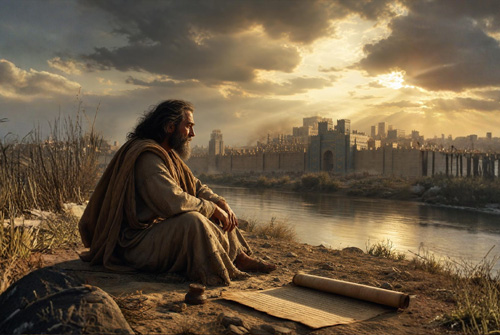
The introduction to the Book of Job in the New American Bible describes the book as a didactic poem, a poem written for the purpose of instruction. In this case, the instruction concerns the problem of human suffering, particularly of the innocent, and of retribution. We don’t know the author, and there is no real agreement as to when the book was written, but most give it a date between the 7th and 5th centuries B.C. at a time when many believed human suffering was a punishment from God (or the gods) for infidelity. The Book of Job teaches that even the just may suffer in this life, but rather than a punishment, their sufferings are a test of their fidelity to God.

The introduction also describes the book as a “literary masterpiece of all time.” I suggest you take the time to read it, but for those unfamiliar with the book, Job is presented to us as a very wealthy and prosperous Arab chieftain who was also very faithful to God. According to this story, Job’s faith in God was tested at the request of Satan. In a sudden reversal of fortune, Job lost all his possessions, including his family, and was afflicted with a loathsome disease. Oppressed with sorrow, he longed for death to put an end to his suffering, but Job never complained against God or lost his faith because of his sufferings. When his friends insisted that some terrible sin must have caused his misfortune, Job maintained his innocence. Job longed to speak to God face-to-face to get an explanation for his suffering. When God responded, Job learned that man does not have the right to question God’s authority and is incapable of probing the depths of God’s wisdom, power, and presence that governs the universe. In the end, God rewarded Job for his faithfulness, and he once again became a very wealthy, prosperous man with a large family. The lesson for Job and all of us is to trust in God, not question or blame God for life’s misfortunes. Our duty is to praise God, to trust in God, and to believe in our Responsorial Psalm that God will “heal the brokenhearted.” The Book of Job teaches us that bad things happen to good people, and it is beyond our capacity to understand why.

Also, notice our verse before the gospel this week: “Christ took away our infirmities and bore our diseases.”

Our gospel passage comes from chapter 1 of Mark, at the beginning of Jesus’ Galilean ministry. Some fundamental themes in Mark are found throughout the gospel.

First, The gospel is very Christological. Mark never leaves any doubt as to Jesus’ true identity. The opening verse sets the tone for the gospel: “The beginning of the gospel of Jesus Christ, the Son of God.” (Mk 1:1).

Second is the theme of discipleship; following Jesus requires a completely new way of life. The call of the first disciples in 1:16 indicates what is required to follow Jesus. Jesus told Simon and Andrew to follow Him, and their response was immediate, no questions asked.

Third: A new age has dawned where God’s reign has broken into human life with a new set of values. God has broken into human life in the person of Jesus, who teaches with authority and has the power to forgive sins, heal the brokenhearted, and take away our infirmities. This entire message can be summed up in Mark 1:15: “This is the time of fulfillment. The kingdom of God is at hand. Repent, and believe in the gospel.” Jesus’ Galilean ministry begins with the cure of a demoniac in the synagogue in Capernaum and then with the cure of Simon’s mother-in-law in today’s gospel. From there, Jesus went on to the other towns and villages in the area to continue healing the sick and casting out demons.

Another point to notice about the Gospel of Mark is that it is short and concise and seems to have been written in a spirit of urgency. There is not a lot of theology in this gospel; instead, it describes one event after another in the life of Christ with no theological explanation of what was said or done in those events. For example, we have “The Cure of a Demoniac” beginning with verse 21, and then we move immediately into “The Cure of Simon’s Mother-in-Law.”

As we all know, there was much more to Jesus’ ministry than curing the sick. But by performing these miracles of healing, Jesus drew attention to His divinity (Christology) and His ministry of proclaiming that the kingdom of God is at hand. In addition, His miracles of healing gave the people a sense of the presence of God in their midst. His ministry was valid, and it was time to believe in the divinity of Jesus, to repent and ask forgiveness for sins, and to become a true disciple.

The golden thread this week is that human suffering is not a punishment from God; we can bring those sufferings upon ourselves through our sins or bad habits, or others may bring that suffering upon us. But the suffering will be relieved by God, in this life or the next, if we truly believe in the divinity of Jesus, repent and ask forgiveness for our sins, and become a true disciple.

Reference: Copyright LPI
Recent Posts

17th Sunday in Ordinary Time 2026

17th Sunday in Ordinary Time 2026

Seventeenth Sunday in Ordinary Time Reading 1: 1 Kgs 3:5, 7-12 Responsorial Psalm: Ps 119:57, 72, 76-77, 127-128, 129-130 Reading 2: Rom 8:28-30 Gospel: Mt 13:44-52 Let me start this reflection with a little biblical history some may or may not be familiar with. The...

Monica’s Praise Report 9-22-26

Monica’s Praise Report 9-22-26

Praise be Jesus Christ, now and forever! How wonderful He is. He is faithful and His mercy and grace abound. He is relentless in His pursuit of us, never giving up on us or leaving us when we but just turn toward Him. Thank You, God, for Your steadfastness and...

16th Sunday in Ordinary Time 2026

16th Sunday in Ordinary Time 2026

Sixteenth Sunday in Ordinary Time Reading 1: Wis 12:13, 16-19 Responsorial Psalm: Ps 86:5-6, 9-10, 15-16 Reading 2: Rom 8:26-27 Gospel: Mt 13:24-43 Once again, this week we have a shorter form of the gospel that may be proclaimed at Sunday Mass, but I eliminated it...

15th Sunday in Ordinary Time 2026

15th Sunday in Ordinary Time 2026

Fifteenth Sunday in Ordinary Time Reading 1: Is 55:10-11 Responsorial Psalm: Ps 65:10, 11, 12-13, 14 Reading 2: Rom 8:18-23 Gospel: Mt 13:1-23 There is a shorter version of the gospel that may be proclaimed this week, but I eliminated it above to save some space. Our...

14th Sunday in Ordinary Time 2026

14th Sunday in Ordinary Time 2026

Fourteenth Sunday in Ordinary Time Reading 1: Zec 9:9-10 Responsorial Psalm: Ps 145:1-2, 8-9, 10-11, 13-14 Reading 2: Rom 8:9, 11-13 Gospel: Mt 11:25-30 Zechariah is one of the post-exilic prophets, meaning he received the prophetic call after the Babylonian Exile,...

13th Sunday in Ordinary Time 2026

13th Sunday in Ordinary Time 2026

Thirteenth Sunday in Ordinary Time Reading 1: 2 Kgs 4:8-11, 14-16a Responsorial Psalm: Ps 89:2-3, 16-17, 18-19 Reading 2: Rom 6:3-4, 8-11 Gospel: Mt 10:37-42 Our first reading from 2nd Kings is an interesting story about the prophet Elisha and a Shunammite woman who...

Monica’s Praise Report 6-22-26

Monica’s Praise Report 6-22-26

Praise be Jesus Christ, now and forever. Praise be His most holy Name. All glory be to the Father, the Son, and the Holy Spirit. Glory and honor to Him, who is, who was, and always will be. Praise be to Him who bore our sufferings due to our sins. His mercy endures...

12th Sunday in Ordinary Time 2026

12th Sunday in Ordinary Time 2026

Twelfth Sunday in Ordinary Time Reading 1: Jer 20:10-13 Responsorial Psalm: Ps 69:8-10, 14, 17, 33-35 Reading 2: Rom 5:12-15 Gospel: Mt 10:26-33 I think Jeremiah is the most fascinating of all the prophets as he lived during a very tumultuous time in Jerusalem. By the...

Solemnity of the Body and Blood of Christ

Solemnity of the Body and Blood of Christ

Reading 1: Dt 8:2-3, 14b-16a Responsorial Psalm: Ps 147:12-13, 14-15, 19-20 Reading 2: 1 Cor 10:16-17 Gospel: Jn 6:51-58 This Sunday we celebrate the Solemnity of the Most Holy Body and Blood of Christ, also known as Corpus Christi Sunday. It is the celebration of the...

The Solemnity of the Most Holy Trinity 2026

The Solemnity of the Most Holy Trinity 2026

The Solemnity of the Most Holy Trinity Reading 1: EX 34:4b-6, 8-9 Responsorial Psalm: Dn 3:52, 53, 54, 55, 56 Reading 2: 2 Cor 13:11-13 Gospel: Jn 3:16-18 This Sunday we celebrate the Solemnity of the Most Holy Trinity. The mystery of the Holy Trinity is the central...

Para el segundo año de preparación sacramental, los padres siguen siendo los primeros maestros de la fe (CCC n.º 2226). Este es un rol continuo tanto para los padres como para la vida de los estudiantes.

La preparación sacramental se llevará a cabo una vez al mes. Se pide a las familias que asistan semanalmente a la misa dominical, compartan el Evangelio en casa, participen en un retiro, recen el Rosario y que los padres asistan a una charla mensual con nuestro querido sacerdote.

Se ponen recursos a disposición de los padres, especialmente en lo relativo a la misa. Se pide a los estudiantes que traigan un misal para que lo firmen al finalizar la misa de su elección (sábado o domingo).

A continuación, se presentan las fechas de las charlas dirigidas a los padres. Los estudiantes asistirán a clases en un aula en la misma fecha y horario: de 6:30 p. m. a 8:00 p. m.

Se realizarán evaluaciones a los estudiantes; por favor, consulten las Pautas Sacramentales.

La preparación para la Primera Reconciliación y la Primera Comunión está abierta a todos los jóvenes bautizados - a partir del segundo grado escolar - que cumplan con los siguientes requisitos del programa:

  • La familia debe ser miembro registrado de la Parroquia del Sagrado Corazón. Si no son miembros registrados del Sagrado Corazón, los padres deben presentar una carta del párroco de la parroquia en la que estén registrados, otorgando permiso para que el niño se prepare y celebre los sacramentos en el Sagrado Corazón. También se requiere el permiso del párroco si la familia está registrada en el Sagrado Corazón, pero solicita que la celebración se realice en otra iglesia católica.
  • Los padres deben presentar una copia original del certificado de bautismo del niño antes de la fecha límite establecida. Si el niño no ha sido bautizado en la fe católica, realizará una "Profesión de Fe".
  • El niño debe contar con un mínimo de un año de educación religiosa previa, cursada en el programa de formación en la fe de la parroquia (FE EN EL HOGAR) o en una escuela católica.
  • El niño debe estar inscrito y participando activamente en el año actual del programa de educación religiosa de la parroquia (Preparación Sacramental) o en una escuela católica.
  • La familia debe asistir a la Misa dominical con regularidad.
  • El niño y sus padres deben asistir a TODAS las sesiones de preparación sacramental.
  • Una vez completadas todas las sesiones de preparación requeridas, el niño participará en una entrevista para evaluar su disposición para recibir los sacramentos.

El Párroco, el Coordinador de Preparación Sacramental y los padres determinarán conjuntamente la disposición del niño - tanto catequética como espiritual - para recibir los sacramentos.

El año pasado, las familias de primer año siguieron el nuevo plan de estudios «Fe en el hogar». Aunque todavía tenemos mucho en lo que podemos crecer, nos alegra enormemente que nuestras familias hayan completado el año y que ahora estén practicando su fe y siguiendo un nuevo estilo de vida. «Fe en el hogar» es un programa novedoso en el que nuestras familias no tienen que asistir en persona ni semanalmente, sino solo una vez al mes. Se pide a las familias que asistan a la misa dominical cada semana, compartan el Evangelio en casa, participen en un retiro, recen el Rosario y que los padres asistan a una charla mensual con nuestro querido sacerdote. Hay recursos disponibles para los padres, especialmente para la Misa. Se pide a los estudiantes que traigan un libro de misa para que lo firmen al finalizar la misa que elijan (sábado o domingo). A continuación, se presentan las fechas de las charlas para padres; los estudiantes estarán en clase el mismo día y horario: 6:30 PM a 8:00 PM.

For year 2, sacramental preparation, parents are still the first teachers of faith CCC#2226. This is an ongoing role for the parents and for the students' lives.

Sacramental preparation would be once a month. Families are asked to attend weekly Sunday mass, share the Gospel at home, participate in a retreat, pray the Rosary, and have parents attend a monthly talk with our beloved priest.

Resources are available to parents, especially for Mass. Students are asked to bring a Mass book to be signed by the end of the Mass of their choice (Saturday or Sunday).

Here are the dates for parent talks. The students will be in a classroom setting on the same date and time: 6:30 PM to 8:00 PM

Evaluations will be held for students, please refer to the Sacrament Guidelines.

First Reconciliation and First Communion preparation is open to all baptized youth, second grade or older, who meet the following program requirements:

  • Family must be registered members of Sacred Heart Parish. If not registered members of Sacred Heart, the parents must provide a letter from the pastor of the parish in which they are registered, granting permission for the child to prepare and to celebrate the sacraments at Sacred Heart.  Permission must also be granted by the pastor if registering at Sacred Heart, but requesting the celebration at another Catholic Church.
  • The parents must provide an original copy of the child’s Baptism Certificate by the declared deadline. If not baptized catholic, the child will make a “Profession of Faith”.
  • The child must have a minimum of one year of previous religious education in the parish faith formation program (FAITH AT HOME) or catholic school.
  • The child must be enrolled and actively participating in the current year of religious education in the parish religious Sacramental Preparation or catholic school.
  • The family must attend Sunday Mass regularly.
  • The child and their parents must attend ALL sacrament preparation sessions.
  • Upon completion of all required preparation sessions, the child will participate in an interview to evaluate the child’s readiness to receive the sacraments.

The Pastor, Sacramental Preparation Coordinator, and the parents together determine the child’s readiness, both catechetical and spiritual, to receive the sacraments.

Last year, first-year families followed the new Faith at Home curriculum. Even though we have a lot to grow in, we are very happy that our families have completed the year and are now practicing their faith and following a new way of life.  

Faith at Home is a new program where our families do not have to come in person weekly, but once a month. Families are asked to attend weekly Sunday mass, share the Gospel at home, participate in a retreat, pray the Rosary, and have parents attend a monthly talk with our beloved priest.  

Resources are available to parents, especially for Mass. Students are asked to bring a Mass book with them to be signed by the end of any Mass of their choice (Saturday or Sunday).  

Here are the dates for parent talks. The students will be in a classroom setting on the same date and time:

April 20th from 6:30 PM to 8:00 PM

Hi!