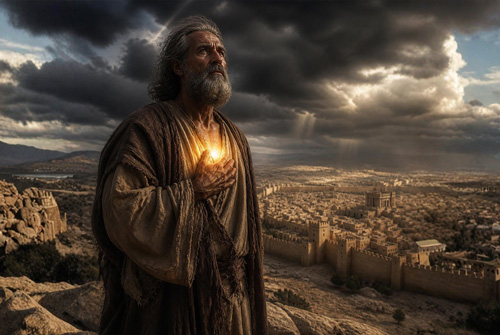
Angels Among Us, Part 1

Post Date: September 23, 2022
Author: Laura Stephens

Are they not all ministering spirits sent to serve,
for the sake of those who are to inherit salvation?
– Hebrews 1:14

Angels are indeed among us. We know they were ordained by God to serve Him and to protect mankind. But how much do we know of them?  The Church celebrates two upcoming Feasts that honor the angels – the Feasts of the Archangels on September 29 and Guardian Angels on October 2.  Over the course of two blogs, we will ponder some of the critical information regarding the angels to help us to better appreciate and acknowledge their presence with us.

Who are the Angels?

The Merriam-Webster definition of angel is “a spiritual being serving as a divine messenger and intermediary and often as a special protector of an individual or nation.” The word angel comes from the Greek word angelos which means “messenger.” But let us take it a step further and look to the Catechism of the Catholic Church.

From the Catechism, we can learn that “St. Augustine says: “‘Angel’ is the name of their office, not of their nature. If you seek the name of their nature, it is ‘spirit’; if you seek the name of their office, it is ‘angel’: from what they are, ‘spirit’, from what they do, ‘angel.’” With their whole beings the angels are servants and messengers of God. Because they “always behold the face of my Father who is in heaven” they are the “mighty ones who do His word, hearkening to the voice of His word”.” (CCC 329)

This clarifies that who they are is spirits and what they do is angel. It’s okay if you need to read that quote a few times to comprehend its depth of meaning and complexity. Reflecting on spiritual beings takes time and graces from God because beyond the material world it is harder to comprehend than the tangible material world.

When did the angels come into being?

Angels have been around since Creation. Tradition and Scripture tells us that they were created before man since, in the beginning Satan, the evil fallen angel in the form of a snake was present to tempt Eve which led to the fall of mankind. The creation and fall of angels therefore must be prior to the creation of man.

How do the angels serve God and man?

To give the short summary of their service, we look again to the Catechism – “throughout the history of salvation, announcing this salvation from afar or near and serving the accomplishment of the divine plan: they closed the earthly paradise; protected Lot; saved Hagar and her child; stayed Abraham’s hand; communicated the law by their ministry; led the People of God; announced births and callings; and assisted the prophets, just to cite a few examples. Finally, the angel Gabriel announced the birth of the Precursor and that of Jesus Himself.” (CCC 332) However we know that their service continues throughout the Early Church to the present day. They remain ever faithful to God and minister to us.

How did the Evil One and the other fallen angels come to be?

Lucifer (also called the Evil One, Satan or the Devil) is the leader of the fallen angels and was once a good angel created by God in full goodness. There was a sin spoken of in Scripture that involved a free choice of these good angels to reject God for all eternity. It is the sin of pride that the Devil felt he was superior and that he deserved more than the other angels and man. Therefore, the Evil One rejected all of God’s goodness and the happiness of Heaven for all eternity.

“It is the irrevocable character of their choice, and not a defect in the infinite Divine Mercy, that makes the angels’ sin unforgivable.” (CCC 393) This tells us clearly that their fall was not a mistake by God but a deliberate choice of these Angels to reject God. Their rejection is forever and cannot be undone or forgiven as it was an ultimate, final decision that they made to reject God and His graces. With this choice, Lucifer led other angels to follow in his rejection and now roams the world seeking to lead men into the same sin of rejecting God.

Who are the Archangels?

In Scripture we can read about three specific Archangels, Sts. Michael, Raphael, and Gabriel, whose important role of being prodigious messengers accorded them the title Archangel.

St. Michael, whose name means, “one who is like God,” led the army of angels who cast Satan and the rebellious angels into hell; at the end of time, he will wield the sword of justice to separate the righteous from the evil (Cf. Revelation 12:7-0). St. Gabriel, whose name means “strength of God,” announced to Mary that she had been chosen as the Mother of the Savior (cf. Luke 1:26-38). St. Raphael, whose name means “remedy of God,” cured the blind man Tobit (cf. Tobit 5). (What are Angels?)

Each Archangel has a very specific and important role to accomplish for God. Let us focus in on St. Michael for his critical role in defending us from Satan and evil.

Toward the end of the nineteenth century, Pope Leo XIII (d. 1903) had a prophetic vision of the coming century of sorrow and war.  In this vision, God gave Satan the choice of one century in which to do his worst work.  The devil chose this century.  So moved was the Holy Father from this vision that he composed the prayer to St. Michael the Archangel. (What are Angels?)

“Saint Michael Archangel, defend us in battle,

be our protection against the wickedness and snares of the devil;

may God rebuke him, we humbly pray; and do thou,

O Prince of the heavenly host, by the power of God,

cast into hell Satan and all the evil spirits

who prowl through the world seeking the ruin of souls. Amen.”

For many years, this prayer was recited at the end of Mass.  About a year ago, our Holy Father at one of his Wednesday audiences made the strong suggestion that the recitation of the prayer be instituted at Mass once again given the great evils we see present in our world– the sins of abortion, euthanasia, terrorism, genocide, and the like. (What are Angels?)

St. Michael has power over evil and fights against the Evil One who wants to ensnare us in sin. The St. Michael the Archangel prayer is also often said at the end of a Rosary. Consider offering this prayer more often so that we can seek St. Michael’s protection.

Let us rely on the protection and message of angels that God so faithfully provides for us. Let us recall the important and faithful role that angels play in God’s plan.

Archangels Michael, Raphael, and Gabriel, pray for us!

All holy angels of God, pray for us!

References:

Merriam-Webster quote retrieved from https://www.merriam-webster.com/dictionary/angel

What are Angels? quote retrieved from https://catholicstraightanswers.com/what-are-angels/
Recent Posts

23rd Sunday in Ordinary Time 2026

23rd Sunday in Ordinary Time 2026

Twenty-third Sunday in Ordinary Time Reading 1: Ez 33:7-9 Responsorial Psalm: Ps 95:1-2, 6-7, 8-9 Reading 2: Rom 13:8-10 Gospel: Mt 18:15-20 Ezekiel is unique among the prophets of Israel as he was the only one called to the prophetic office outside of the Holy Land;...

22nd Sunday in Ordinary Time 2026

22nd Sunday in Ordinary Time 2026

Twenty-second Sunday in Ordinary Time Reading 1: Jer 20:7-9 Responsorial Psalm: Ps 63:2, 3-4, 5-6, 8-9 Reading 2: Rom 12:1-2 Gospel: Mt 16:21-27 Jeremiah’s prophetic mission began in 628 B.C. and therefore occurred about 100 years after that of Isaiah in 742. Whereas...

Monica’s Praise Report 8-24-26

Monica’s Praise Report 8-24-26

Praise be Jesus Christ, now and forever! Praise be His most holy Name. He is Wonderful, Counselor, Mighty God. He is, was, and ever shall be. He sanctifies and blesses! Thank You, God, for all thy benefits. Thank You for the Sacrament of Matrimony. Thank You for older...

21st Sunday in Ordinary Time 2026

21st Sunday in Ordinary Time 2026

Twenty-first Sunday in Ordinary Time Reading 1: Is 22:19-23 Responsorial Psalm: Ps 138:1-2, 2-3, 6, 8 Reading 2: Rom 11:33-36 Gospel: Mt 16:13-20 Our first reading comes from a section of Isaiah often referred to as 1st Isaiah (chapters 1 – 39) and reflects the...

20th Sunday in Ordinary Time 2026

20th Sunday in Ordinary Time 2026

Reading 1: Is 56:1, 6-7 Responsorial Psalm: Ps 67:2-3, 5, 6, 8 Reading 2: Rom 11:13-15, 29-32 Gospel: Mt 15:21-28 The Book of the Prophet Isaiah is the second longest book in the bible, exceeded in length only by the Book of Psalms. Chronologically, it covers about...

19th Sunday in Ordinary Time 2026

19th Sunday in Ordinary Time 2026

Nineteenth Sunday in Ordinary Time Reading 1: 1 Kgs 19:9a, 11-13a Responsorial Psalm: Ps 85:9, 10, 11-12, 13-14 Reading 2: Rom 9:1-5 Gospel: Mt 14:22-33 Our first reading from 1st Kings is the story of the prophet Elijah on Mt. Horeb and it is a fascinating story if...

18th Sunday in Ordinary Time 2026

18th Sunday in Ordinary Time 2026

Eighteenth Sunday In Ordinary Time Reading 1: IS 55:1-3 Responsorial Psalm: PS 145:8-9, 15-16, 17-18 Reading 2: ROM 8:35, 37-39 Gospel: MT 14:13-21 Our first reading from chapter 55 of the Book of Isaiah is entitled “An Invitation to Grace,” and the message of the...

17th Sunday in Ordinary Time 2026

17th Sunday in Ordinary Time 2026

Seventeenth Sunday in Ordinary Time Reading 1: 1 Kgs 3:5, 7-12 Responsorial Psalm: Ps 119:57, 72, 76-77, 127-128, 129-130 Reading 2: Rom 8:28-30 Gospel: Mt 13:44-52 Let me start this reflection with a little biblical history some may or may not be familiar with. The...

Monica’s Praise Report 9-22-26

Monica’s Praise Report 9-22-26

Praise be Jesus Christ, now and forever! How wonderful He is. He is faithful and His mercy and grace abound. He is relentless in His pursuit of us, never giving up on us or leaving us when we but just turn toward Him. Thank You, God, for Your steadfastness and...

16th Sunday in Ordinary Time 2026

16th Sunday in Ordinary Time 2026

Sixteenth Sunday in Ordinary Time Reading 1: Wis 12:13, 16-19 Responsorial Psalm: Ps 86:5-6, 9-10, 15-16 Reading 2: Rom 8:26-27 Gospel: Mt 13:24-43 Once again, this week we have a shorter form of the gospel that may be proclaimed at Sunday Mass, but I eliminated it...

Para el segundo año de preparación sacramental, los padres siguen siendo los primeros maestros de la fe (CCC n.º 2226). Este es un rol continuo tanto para los padres como para la vida de los estudiantes.

La preparación sacramental se llevará a cabo una vez al mes. Se pide a las familias que asistan semanalmente a la misa dominical, compartan el Evangelio en casa, participen en un retiro, recen el Rosario y que los padres asistan a una charla mensual con nuestro querido sacerdote.

Se ponen recursos a disposición de los padres, especialmente en lo relativo a la misa. Se pide a los estudiantes que traigan un misal para que lo firmen al finalizar la misa de su elección (sábado o domingo).

A continuación, se presentan las fechas de las charlas dirigidas a los padres. Los estudiantes asistirán a clases en un aula en la misma fecha y horario: de 6:30 p. m. a 8:00 p. m.

Se realizarán evaluaciones a los estudiantes; por favor, consulten las Pautas Sacramentales.

La preparación para la Primera Reconciliación y la Primera Comunión está abierta a todos los jóvenes bautizados - a partir del segundo grado escolar - que cumplan con los siguientes requisitos del programa:

  • La familia debe ser miembro registrado de la Parroquia del Sagrado Corazón. Si no son miembros registrados del Sagrado Corazón, los padres deben presentar una carta del párroco de la parroquia en la que estén registrados, otorgando permiso para que el niño se prepare y celebre los sacramentos en el Sagrado Corazón. También se requiere el permiso del párroco si la familia está registrada en el Sagrado Corazón, pero solicita que la celebración se realice en otra iglesia católica.
  • Los padres deben presentar una copia original del certificado de bautismo del niño antes de la fecha límite establecida. Si el niño no ha sido bautizado en la fe católica, realizará una "Profesión de Fe".
  • El niño debe contar con un mínimo de un año de educación religiosa previa, cursada en el programa de formación en la fe de la parroquia (FE EN EL HOGAR) o en una escuela católica.
  • El niño debe estar inscrito y participando activamente en el año actual del programa de educación religiosa de la parroquia (Preparación Sacramental) o en una escuela católica.
  • La familia debe asistir a la Misa dominical con regularidad.
  • El niño y sus padres deben asistir a TODAS las sesiones de preparación sacramental.
  • Una vez completadas todas las sesiones de preparación requeridas, el niño participará en una entrevista para evaluar su disposición para recibir los sacramentos.

El Párroco, el Coordinador de Preparación Sacramental y los padres determinarán conjuntamente la disposición del niño - tanto catequética como espiritual - para recibir los sacramentos.

El año pasado, las familias de primer año siguieron el nuevo plan de estudios «Fe en el hogar». Aunque todavía tenemos mucho en lo que podemos crecer, nos alegra enormemente que nuestras familias hayan completado el año y que ahora estén practicando su fe y siguiendo un nuevo estilo de vida. «Fe en el hogar» es un programa novedoso en el que nuestras familias no tienen que asistir en persona ni semanalmente, sino solo una vez al mes. Se pide a las familias que asistan a la misa dominical cada semana, compartan el Evangelio en casa, participen en un retiro, recen el Rosario y que los padres asistan a una charla mensual con nuestro querido sacerdote. Hay recursos disponibles para los padres, especialmente para la Misa. Se pide a los estudiantes que traigan un libro de misa para que lo firmen al finalizar la misa que elijan (sábado o domingo). A continuación, se presentan las fechas de las charlas para padres; los estudiantes estarán en clase el mismo día y horario: 6:30 PM a 8:00 PM.

For year 2, sacramental preparation, parents are still the first teachers of faith CCC#2226. This is an ongoing role for the parents and for the students' lives.

Sacramental preparation would be once a month. Families are asked to attend weekly Sunday mass, share the Gospel at home, participate in a retreat, pray the Rosary, and have parents attend a monthly talk with our beloved priest.

Resources are available to parents, especially for Mass. Students are asked to bring a Mass book to be signed by the end of the Mass of their choice (Saturday or Sunday).

Here are the dates for parent talks. The students will be in a classroom setting on the same date and time: 6:30 PM to 8:00 PM

Evaluations will be held for students, please refer to the Sacrament Guidelines.

First Reconciliation and First Communion preparation is open to all baptized youth, second grade or older, who meet the following program requirements:

  • Family must be registered members of Sacred Heart Parish. If not registered members of Sacred Heart, the parents must provide a letter from the pastor of the parish in which they are registered, granting permission for the child to prepare and to celebrate the sacraments at Sacred Heart.  Permission must also be granted by the pastor if registering at Sacred Heart, but requesting the celebration at another Catholic Church.
  • The parents must provide an original copy of the child’s Baptism Certificate by the declared deadline. If not baptized catholic, the child will make a “Profession of Faith”.
  • The child must have a minimum of one year of previous religious education in the parish faith formation program (FAITH AT HOME) or catholic school.
  • The child must be enrolled and actively participating in the current year of religious education in the parish religious Sacramental Preparation or catholic school.
  • The family must attend Sunday Mass regularly.
  • The child and their parents must attend ALL sacrament preparation sessions.
  • Upon completion of all required preparation sessions, the child will participate in an interview to evaluate the child’s readiness to receive the sacraments.

The Pastor, Sacramental Preparation Coordinator, and the parents together determine the child’s readiness, both catechetical and spiritual, to receive the sacraments.

Last year, first-year families followed the new Faith at Home curriculum. Even though we have a lot to grow in, we are very happy that our families have completed the year and are now practicing their faith and following a new way of life.  

Faith at Home is a new program where our families do not have to come in person weekly, but once a month. Families are asked to attend weekly Sunday mass, share the Gospel at home, participate in a retreat, pray the Rosary, and have parents attend a monthly talk with our beloved priest.  

Resources are available to parents, especially for Mass. Students are asked to bring a Mass book with them to be signed by the end of any Mass of their choice (Saturday or Sunday).  

Here are the dates for parent talks. The students will be in a classroom setting on the same date and time:

April 20th from 6:30 PM to 8:00 PM

Hi!