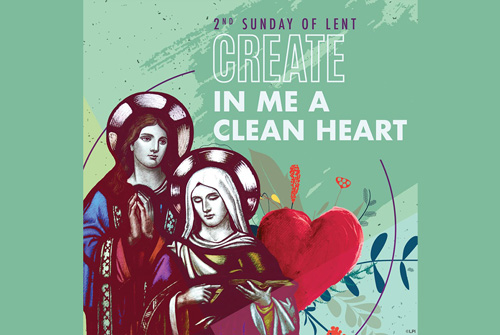
2nd Sunday of Lent, 2026

Post Date: February 25, 2026
Author: Ric Cross

Second Sunday of Lent

Reading 1: Gn 12:1-4a
Responsorial Psalm: Ps 33:4-5, 18-19, 20, 22.
Reading 2: 2 Tm 1:8b-10
Gospel: Mt 17:1-9

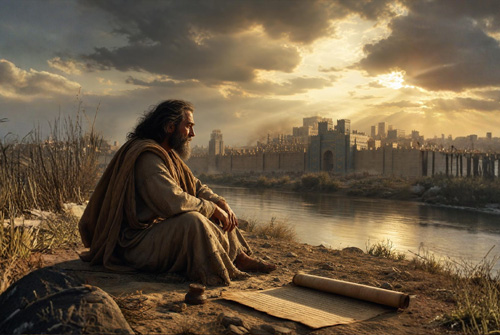
Genesis chapter 12 is entitled “Abram’s Call and Migration” and is our introduction to Abraham. The first point to notice is that his name at this point of the narrative is Abram; it is not until chapter 17 that God changes his name to Abraham because it is in chapter 17 that Abraham received circumcision as the sign of the covenant God made with Abraham and his descendants and it is in chapter 17 that God reiterates: “I am making you the father of a host of nations.”

However, if we were to read more of the stories of Abraham and Sarah in chapters 12-25, we would see that these are stories of the struggles they had to maintain their faith and to trust in God to fulfill His promises to Abraham. Overall, they did maintain that faith and trust, but there were occasions when they faltered.

The two major promises made to Abraham were that his descendants would inherit the land of Canaan (i.e., The Promised Land), and that Abraham would be the father of a great nation. It is understandable that it would be difficult for them to trust these promises as Abraham was apparently 75 years of age at this point in the narrative and Sarah was 65 and barren. In addition, it would be another 25 years of following God’s directives while wandering through the land before Sarah would finally give birth to their only child, Isaac.

On two different occasions Abraham’s faith in God’s ability to protect him faltered. Sarah was apparently a beautiful woman and on each of these occasions Abraham claimed Sarah was his sister and gave her to a king because he thought the king would kill him to take Sarah as his own wife (see Gn 12:11-19 and Gn 20:2-3). What a wimp! But Abraham wasn’t actually lying. Chapter 20 verse 12 tells us that Sarah was actually his half-sister, sharing the same father but different mothers. In addition, it was an accepted practice in Haran, the community they migrated from, for a man to adopt his wife as a sister, giving her an elevated status.

In chapter 16 they lose faith in God’s ability to give them an heir, so Sarah gave her Egyptian maidservant, Hagar, to Abraham to have relations with because it was an accepted practice to use a surrogate mother to bear children for her mistress, resulting in the birth of Ishmael.

In chapter 17, God reiterated the promise to give them an heir, but Abraham laughed at the promise. In chapter 18, Sarah, too, would not believe it and laughed at the promise.

In chapter 21, the promise of an heir was finally fulfilled in the birth of Isaac and the age-old feud between Arab and Jew began. God promised that, as Ishmael was Abraham’s son, God would make him the father of twelve chieftains (the Arab nations; see Gn 17:20) and that he would be a wild ass of a man with his hand against all his neighbors and his neighbors against him; but the covenantal promises would be carried out through Isaac, and the promise of the land would be to Isaac and his descendants, not Ishmael.

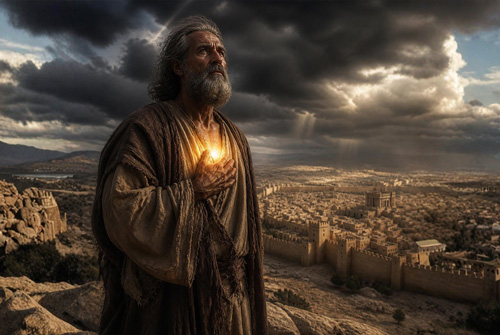
The overall message of these chapters is our frail humanity’s propensity to lose faith in God, especially in tough times. We are to see that the promises to Abraham and Sarah were all fulfilled, despite their lapses of faith. We are to see that, if we maintain faith in God and do our very best to abide by the teachings of Christ as presented by the church, then the promise of our salvation will also be fulfilled; even if we have occasional lapses in faith as did Abraham and Sarah.

Our second reading from 2nd Timothy continues this message. We are to bear the hardships of life “with the strength that comes from God,” believing that Christ destroyed eternal death and offers us eternal life if we will maintain faith and strive to live according to His teachings.

Our gospel this week is Matthew’s account of the Transfiguration of Jesus. The voice of God from the cloud would serve to confirm for the apostles that Jesus truly is the Son of God and would also point to the glory that Jesus will share with His father and will share with the apostles and all who remain faithful to Christ. The appearance of Moses and Elijah confirms the validity of the Law (Moses) and the Prophets (Elijah) of the Old Testament. The fact that the Transfiguration occurs on a “high mountain” recalls Moses receiving the Ten Commandments on Mount Sinai (Ex 19) and Elijah taking refuge at the same place (1Kgs 19).

The voice of God from the cloud also recalls the baptism of Jesus when God affirmed that Jesus was His Son in whom God was well-pleased. But at the Transfiguration God also adds: “listen to him.” That addition is probably meant to recall Moses’ statement in Deuteronomy 18: “A prophet like me will the Lord, your God, raise up for you from among your own kinsmen; to him you shall listen.”

The last verse of our gospel this week is also significant: “Do not tell the vision to anyone until the Son of Man has been raised from the dead.” That is referred to as the “Messianic Secret.” The people of Jesus’ time were praying for and anticipating the coming of the messiah, but they expected that messiah to be a warrior king who would relieve them of the oppression of the Romans and re-establish the Kingdom of Israel as it was under King David. Jesus is truly a king, but he did not come to establish a political kingdom; he came to establish a heavenly kingdom wherein those who believe in, and follow, Jesus’ commandments will enjoy eternal peace in the happy presence of God. Jesus’ messiahship was to be kept secret from the people because, if they knew he was their messiah, they would want to carry him off and make him the King of Israel, and that is not the kingdom Jesus came to establish.

The golden thread of our readings this week is: Look and see what is in store for you if you maintain faith. Abraham remained faithful and became the father of many nations. The apostles maintained faith and became the first bishops of the church that, through the power of the Holy Spirit, developed and spread throughout the world. We, too, may find ourselves joined with them, for all eternity, in that state of existence we call heaven, if we maintain our faith. But, as frail humans, our faith may faulter in times of stress. And when it does, we are to pray for: “The strength that comes from God” to renew that faith.

Recent Posts

23rd Sunday in Ordinary Time 2026

23rd Sunday in Ordinary Time 2026

Twenty-third Sunday in Ordinary Time Reading 1: Ez 33:7-9 Responsorial Psalm: Ps 95:1-2, 6-7, 8-9 Reading 2: Rom 13:8-10 Gospel: Mt 18:15-20 Ezekiel is unique among the prophets of Israel as he was the only one called to the prophetic office outside of the Holy Land;...

22nd Sunday in Ordinary Time 2026

22nd Sunday in Ordinary Time 2026

Twenty-second Sunday in Ordinary Time Reading 1: Jer 20:7-9 Responsorial Psalm: Ps 63:2, 3-4, 5-6, 8-9 Reading 2: Rom 12:1-2 Gospel: Mt 16:21-27 Jeremiah’s prophetic mission began in 628 B.C. and therefore occurred about 100 years after that of Isaiah in 742. Whereas...

Monica’s Praise Report 8-24-26

Monica’s Praise Report 8-24-26

Praise be Jesus Christ, now and forever! Praise be His most holy Name. He is Wonderful, Counselor, Mighty God. He is, was, and ever shall be. He sanctifies and blesses! Thank You, God, for all thy benefits. Thank You for the Sacrament of Matrimony. Thank You for older...

21st Sunday in Ordinary Time 2026

21st Sunday in Ordinary Time 2026

Twenty-first Sunday in Ordinary Time Reading 1: Is 22:19-23 Responsorial Psalm: Ps 138:1-2, 2-3, 6, 8 Reading 2: Rom 11:33-36 Gospel: Mt 16:13-20 Our first reading comes from a section of Isaiah often referred to as 1st Isaiah (chapters 1 – 39) and reflects the...

20th Sunday in Ordinary Time 2026

20th Sunday in Ordinary Time 2026

Reading 1: Is 56:1, 6-7 Responsorial Psalm: Ps 67:2-3, 5, 6, 8 Reading 2: Rom 11:13-15, 29-32 Gospel: Mt 15:21-28 The Book of the Prophet Isaiah is the second longest book in the bible, exceeded in length only by the Book of Psalms. Chronologically, it covers about...

19th Sunday in Ordinary Time 2026

19th Sunday in Ordinary Time 2026

Nineteenth Sunday in Ordinary Time Reading 1: 1 Kgs 19:9a, 11-13a Responsorial Psalm: Ps 85:9, 10, 11-12, 13-14 Reading 2: Rom 9:1-5 Gospel: Mt 14:22-33 Our first reading from 1st Kings is the story of the prophet Elijah on Mt. Horeb and it is a fascinating story if...

18th Sunday in Ordinary Time 2026

18th Sunday in Ordinary Time 2026

Eighteenth Sunday In Ordinary Time Reading 1: IS 55:1-3 Responsorial Psalm: PS 145:8-9, 15-16, 17-18 Reading 2: ROM 8:35, 37-39 Gospel: MT 14:13-21 Our first reading from chapter 55 of the Book of Isaiah is entitled “An Invitation to Grace,” and the message of the...

17th Sunday in Ordinary Time 2026

17th Sunday in Ordinary Time 2026

Seventeenth Sunday in Ordinary Time Reading 1: 1 Kgs 3:5, 7-12 Responsorial Psalm: Ps 119:57, 72, 76-77, 127-128, 129-130 Reading 2: Rom 8:28-30 Gospel: Mt 13:44-52 Let me start this reflection with a little biblical history some may or may not be familiar with. The...

Monica’s Praise Report 9-22-26

Monica’s Praise Report 9-22-26

Praise be Jesus Christ, now and forever! How wonderful He is. He is faithful and His mercy and grace abound. He is relentless in His pursuit of us, never giving up on us or leaving us when we but just turn toward Him. Thank You, God, for Your steadfastness and...

16th Sunday in Ordinary Time 2026

16th Sunday in Ordinary Time 2026

Sixteenth Sunday in Ordinary Time Reading 1: Wis 12:13, 16-19 Responsorial Psalm: Ps 86:5-6, 9-10, 15-16 Reading 2: Rom 8:26-27 Gospel: Mt 13:24-43 Once again, this week we have a shorter form of the gospel that may be proclaimed at Sunday Mass, but I eliminated it...

Para el segundo año de preparación sacramental, los padres siguen siendo los primeros maestros de la fe (CCC n.º 2226). Este es un rol continuo tanto para los padres como para la vida de los estudiantes.

La preparación sacramental se llevará a cabo una vez al mes. Se pide a las familias que asistan semanalmente a la misa dominical, compartan el Evangelio en casa, participen en un retiro, recen el Rosario y que los padres asistan a una charla mensual con nuestro querido sacerdote.

Se ponen recursos a disposición de los padres, especialmente en lo relativo a la misa. Se pide a los estudiantes que traigan un misal para que lo firmen al finalizar la misa de su elección (sábado o domingo).

A continuación, se presentan las fechas de las charlas dirigidas a los padres. Los estudiantes asistirán a clases en un aula en la misma fecha y horario: de 6:30 p. m. a 8:00 p. m.

Se realizarán evaluaciones a los estudiantes; por favor, consulten las Pautas Sacramentales.

La preparación para la Primera Reconciliación y la Primera Comunión está abierta a todos los jóvenes bautizados - a partir del segundo grado escolar - que cumplan con los siguientes requisitos del programa:

  • La familia debe ser miembro registrado de la Parroquia del Sagrado Corazón. Si no son miembros registrados del Sagrado Corazón, los padres deben presentar una carta del párroco de la parroquia en la que estén registrados, otorgando permiso para que el niño se prepare y celebre los sacramentos en el Sagrado Corazón. También se requiere el permiso del párroco si la familia está registrada en el Sagrado Corazón, pero solicita que la celebración se realice en otra iglesia católica.
  • Los padres deben presentar una copia original del certificado de bautismo del niño antes de la fecha límite establecida. Si el niño no ha sido bautizado en la fe católica, realizará una "Profesión de Fe".
  • El niño debe contar con un mínimo de un año de educación religiosa previa, cursada en el programa de formación en la fe de la parroquia (FE EN EL HOGAR) o en una escuela católica.
  • El niño debe estar inscrito y participando activamente en el año actual del programa de educación religiosa de la parroquia (Preparación Sacramental) o en una escuela católica.
  • La familia debe asistir a la Misa dominical con regularidad.
  • El niño y sus padres deben asistir a TODAS las sesiones de preparación sacramental.
  • Una vez completadas todas las sesiones de preparación requeridas, el niño participará en una entrevista para evaluar su disposición para recibir los sacramentos.

El Párroco, el Coordinador de Preparación Sacramental y los padres determinarán conjuntamente la disposición del niño - tanto catequética como espiritual - para recibir los sacramentos.

El año pasado, las familias de primer año siguieron el nuevo plan de estudios «Fe en el hogar». Aunque todavía tenemos mucho en lo que podemos crecer, nos alegra enormemente que nuestras familias hayan completado el año y que ahora estén practicando su fe y siguiendo un nuevo estilo de vida. «Fe en el hogar» es un programa novedoso en el que nuestras familias no tienen que asistir en persona ni semanalmente, sino solo una vez al mes. Se pide a las familias que asistan a la misa dominical cada semana, compartan el Evangelio en casa, participen en un retiro, recen el Rosario y que los padres asistan a una charla mensual con nuestro querido sacerdote. Hay recursos disponibles para los padres, especialmente para la Misa. Se pide a los estudiantes que traigan un libro de misa para que lo firmen al finalizar la misa que elijan (sábado o domingo). A continuación, se presentan las fechas de las charlas para padres; los estudiantes estarán en clase el mismo día y horario: 6:30 PM a 8:00 PM.

For year 2, sacramental preparation, parents are still the first teachers of faith CCC#2226. This is an ongoing role for the parents and for the students' lives.

Sacramental preparation would be once a month. Families are asked to attend weekly Sunday mass, share the Gospel at home, participate in a retreat, pray the Rosary, and have parents attend a monthly talk with our beloved priest.

Resources are available to parents, especially for Mass. Students are asked to bring a Mass book to be signed by the end of the Mass of their choice (Saturday or Sunday).

Here are the dates for parent talks. The students will be in a classroom setting on the same date and time: 6:30 PM to 8:00 PM

Evaluations will be held for students, please refer to the Sacrament Guidelines.

First Reconciliation and First Communion preparation is open to all baptized youth, second grade or older, who meet the following program requirements:

  • Family must be registered members of Sacred Heart Parish. If not registered members of Sacred Heart, the parents must provide a letter from the pastor of the parish in which they are registered, granting permission for the child to prepare and to celebrate the sacraments at Sacred Heart.  Permission must also be granted by the pastor if registering at Sacred Heart, but requesting the celebration at another Catholic Church.
  • The parents must provide an original copy of the child’s Baptism Certificate by the declared deadline. If not baptized catholic, the child will make a “Profession of Faith”.
  • The child must have a minimum of one year of previous religious education in the parish faith formation program (FAITH AT HOME) or catholic school.
  • The child must be enrolled and actively participating in the current year of religious education in the parish religious Sacramental Preparation or catholic school.
  • The family must attend Sunday Mass regularly.
  • The child and their parents must attend ALL sacrament preparation sessions.
  • Upon completion of all required preparation sessions, the child will participate in an interview to evaluate the child’s readiness to receive the sacraments.

The Pastor, Sacramental Preparation Coordinator, and the parents together determine the child’s readiness, both catechetical and spiritual, to receive the sacraments.

Last year, first-year families followed the new Faith at Home curriculum. Even though we have a lot to grow in, we are very happy that our families have completed the year and are now practicing their faith and following a new way of life.  

Faith at Home is a new program where our families do not have to come in person weekly, but once a month. Families are asked to attend weekly Sunday mass, share the Gospel at home, participate in a retreat, pray the Rosary, and have parents attend a monthly talk with our beloved priest.  

Resources are available to parents, especially for Mass. Students are asked to bring a Mass book with them to be signed by the end of any Mass of their choice (Saturday or Sunday).  

Here are the dates for parent talks. The students will be in a classroom setting on the same date and time:

April 20th from 6:30 PM to 8:00 PM

Hi!